


Creating a personal finance plan is essential for anyone who wants to achieve long-term financial success. Whether you’re just starting out in your career or planning for retirement, a personal finance plan can help you to achieve your financial goals and live the life you want.
Here are five of the best ways to create a personal finance plan for long-term success:
Set Clear Goals
The first step in creating a personal finance plan is to set clear and specific goals. Ask yourself, “What do I want to achieve financially, and when?” This might include things like saving for a down payment on a house, paying off debt, or building a retirement nest egg.
Once you have your goals in mind, break them down into smaller, more manageable steps. For example, if your goal is to save for a down payment on a house, you might break that down into monthly savings targets or steps you can take to reduce your expenses.
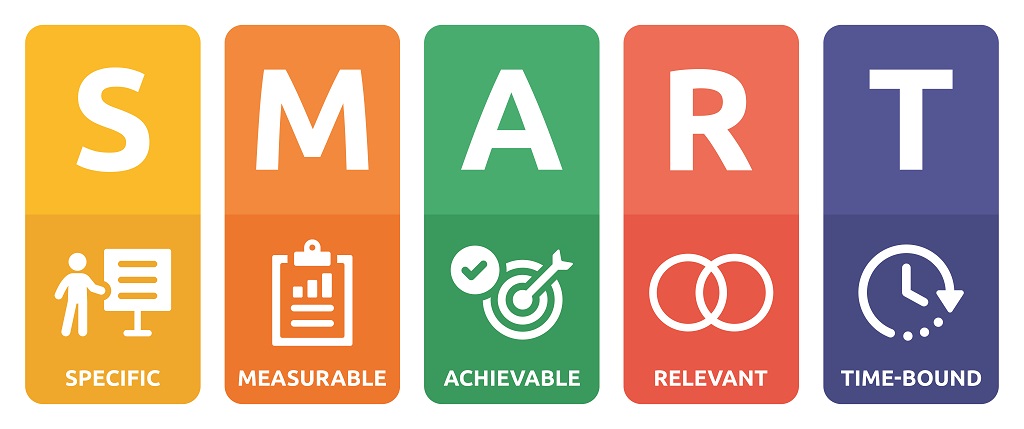
As a business owner, you likely have many goals and aspirations for your company. However, without a clear plan and strategy in place, it can be difficult to achieve these goals. That’s where SMART goals come in.
Create a Budget
Creating a budget is one of the most important steps in creating a personal finance plan. A budget helps you to understand where your money is going and to identify areas where you can cut back or save more.
Start by tracking your income and expenses for a month or two. This will give you a clear picture of your current financial situation. Then, create a budget that reflects your goals and priorities. Be sure to include all of your expenses, including fixed expenses like rent or mortgage payments, as well as variable expenses like groceries and entertainment.
Reduce Your Debt
Reducing your debt is an essential part of any personal finance plan. High levels of debt can make it difficult to achieve your financial goals and can leave you vulnerable to financial emergencies.
Start by prioritizing your debts based on interest rates and pay off the highest interest debts first. This will help you to reduce the amount of interest you’re paying over time. Also, consider consolidating your debts into a single loan with a lower interest rate. This can help you to save money on interest and make it easier to manage your debt.
Invest for the Future
Investing for the future is another key part of a personal finance plan. Whether you’re investing for retirement or other long-term goals, investing can help you to build wealth over time.
Start by creating an investment plan that reflects your goals and risk tolerance. Consider investing in a diversified portfolio of stocks, bonds, and other assets. Also, be sure to review your investments regularly and make adjustments as needed.
Build an Emergency Fund
Building an emergency fund is an essential part of any personal finance plan. An emergency fund can help you to weather financial emergencies, such as job loss or unexpected expenses.
Start by setting aside a portion of your income each month into a savings account or other liquid investment. Aim to save enough to cover three to six months’ worth of expenses. This will give you peace of mind and financial security in the event of an emergency.
–
If you’re still not sure where to get started, why not take up our offer on a complimentary coaching session? We will help you put a plan into place and give you the essential tools needed to ascend with your business. Click here to be redirected to our contact details: https://actioncoach.co.uk/coaches/chester/#contact

I loved as much as you’ll receive carried out right here. Thanks for sharing your site on my page .https://www.apkclup.com/melancholianna-apk-mod/
I loved as much as you’ll receive carried out right here. Thanks for sharing your site on my page .https://www.apkclup.com/melancholianna-apk-mod/
Thank you liked article
Thank you liked article
Thank you liked article